Don’t ask me why I gave this post that title, probably because I couldn’t think of anything else. Being retired, everyday is Friday. It just marks the day that one more week has passed.
After our trip to Branson last week, the Great Hunter and I didn’t do much. Well, I say that, but it’s really not true. The Great Hunter replaced the privacy fence gate, which was a pretty big thing. Not only are the fencing panels large (8′ x 6′) and heavy, we were having a heat wave with the temps in the high 90s. He spent many hours out there in the unshaded, hot sun. I swear, he doesn’t have the sense to come in out of the rain, not to mention the extreme heat. He still tries to do as much as he did ten years ago and doesn’t want to listen to his body, but its done and he did a great job.
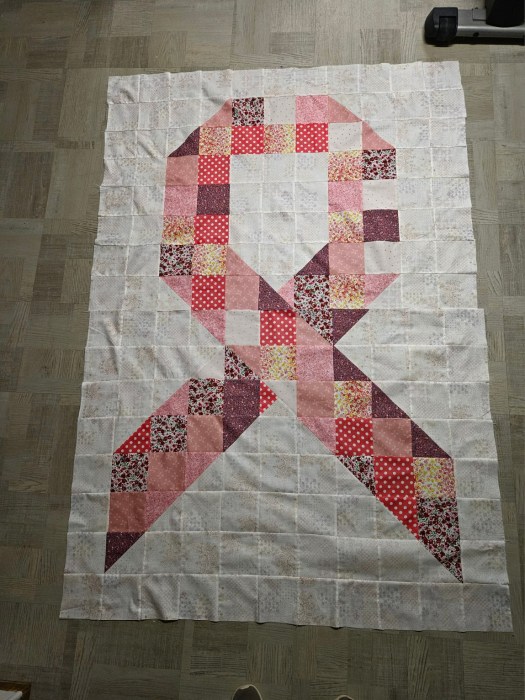
Me, I decided right before we went to Branson that I wanted to make a quilt for a dear friend who is battling cancer for the third time. I found a free pattern online and using most of the fabric I had, I’ve put it together. I now only have to finish the quilting, bind it, and get it in the mail to her.
 And, I’ve been reading “The Poisonwood Bible” by Barbara Kingsolver, a finalist for the Pulitzer Prize for Fiction in 1999 . According to Amazon:
The novel is set against one of the most dramatic political chronicles of the twentieth century: the Congo’s fight for independence from Belgium, the murder of its first elected prime minister, the CIA coup to install his replacement, and the insidious progress of a world economic order that robs the fledgling African nation of its autonomy. Against this backdrop, Orleanna Price reconstructs the story of her evangelist husband’s part in the Western assault on Africa, a tale indelibly darkened by her own losses and unanswerable questions about her own culpability. Also narrating the story, by turns, are her four daughters—the teenaged Rachel; adolescent twins Leah and Adah; and Ruth May, a prescient five-year-old. These sharply observant girls, who arrive in the Congo with racial preconceptions forged in 1950s Georgia, will be marked in surprisingly different ways by their father’s intractable mission, and by Africa itself. Ultimately each must strike her own separate path to salvation. Their passionately intertwined stories become a compelling exploration of moral risk and personal responsibility.
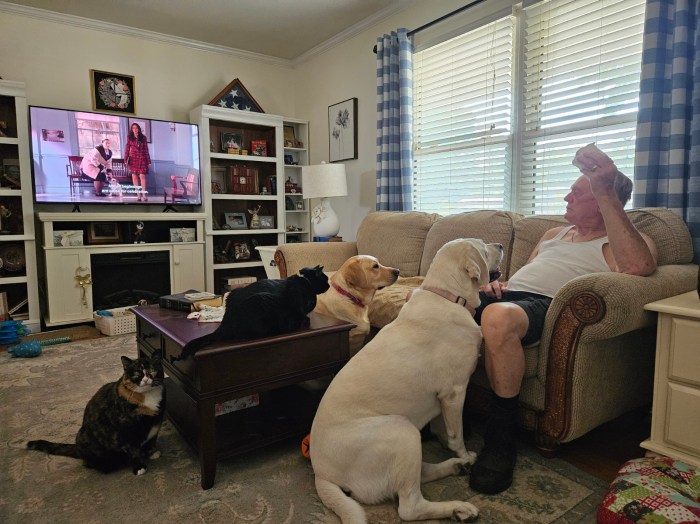
Maybe the Great Hunter should be called the Pied Piper instead.

 Carpediemdona.com